
Teaching Children Wisdom One Conversation at a Time
Because sometimes one face-to-face conversation can help a child move from confusion to confidence.
FAITH & FAMILY
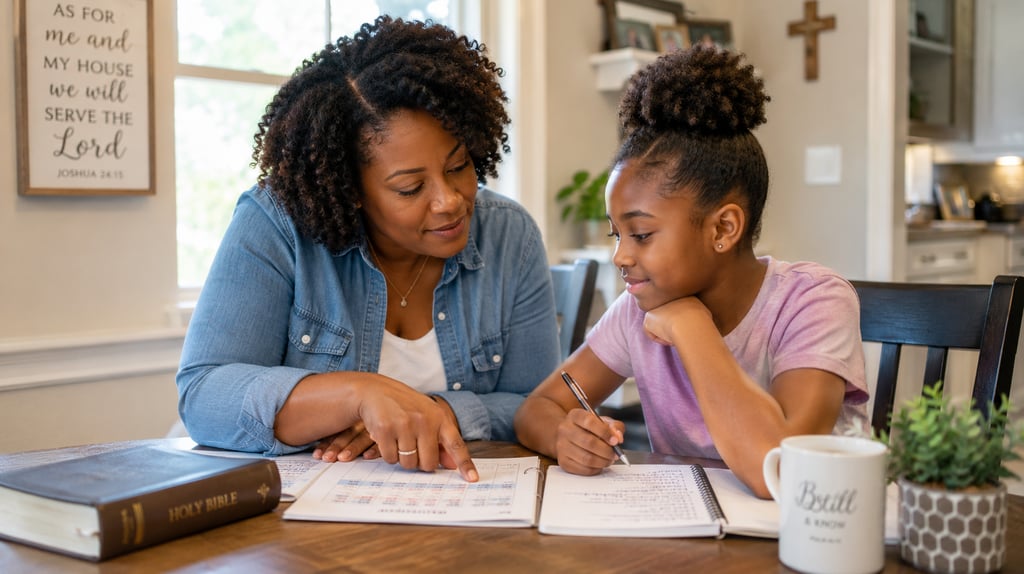
I think it was around the year 2000 when I was first introduced to the idea of student data talks. At that time, we called them “Cara A Cara,” which means face-to-face.
The concept was simple but powerful. If we sat down with a student and talked honestly about their scores, attendance, grades, and progress, maybe that student would begin to take ownership of their learning.
So, armed with my information and a heart full of hope, I set out to meet with students.
I started with students who needed to retake the state assessment. There were over 200 of them. Thankfully, I had help from district staff. We reviewed scores, discussed areas of weakness, and talked with students about what they needed to do next.
I have to be honest. It went okay, but it did not go the way I imagined.
Some students listened. Some were quiet. Some were not interested at all.
But I did not give up on the idea.
Years later, I became the principal of a struggling high school. I still believed that if students could understand their own information, they could begin to make better decisions. This time, we called the meetings Data Talks.
We prepared folders for students. Their folders included attendance, test scores, report cards, discipline records, reading and math assessments, and a list of support available to them.
Then we sat down with them face-to-face.
And this time, something different happened.
Students began to connect the dots.
They could see how attendance affected grades. They could see how missing skills in reading or math affected test performance. They could see how behavior choices interrupted learning. They could see that success was not some mystery that only a few students could reach.
They began to understand.
And when they understood, many of them stopped feeling like failures.
That part still touches my heart.
Sometimes children feel defeated because they do not understand what is happening. They see the low grade. They hear the correction. They know they are struggling. But they do not always know why.
When we help children look at the bigger picture, we help them move from shame to strategy.
That lesson does not only belong in schools. It belongs in our homes.
Parents can have data talks too.
Not cold, formal, scary conversations. Not “let me show you everything you are doing wrong” conversations.
I am talking about loving, real-life conversations that help children think.
A parent data talk may sound like:
“Let’s look at your week. You had practice, homework, church, and two late nights. How do you think that affected your attitude?”
“You said you want to save money for that game, but you keep spending your allowance on snacks. What plan do you think would help?”
“You studied the night before the test and felt stressed. What might happen if you studied a little each day?”
“You keep forgetting your backpack in the mornings. What system could we create to help you remember?”
That is data.
It is not always a spreadsheet. Sometimes it is a pattern. Sometimes it is a habit. Sometimes it is a repeated choice. Sometimes it is a result that keeps showing up.
When we teach children to notice patterns, we are helping them build critical thinking skills. We are helping them learn how to make decisions.
And as Christian parents, we are also helping them grow in wisdom.
Proverbs 22:6 reminds us to “Train up a child in the way he should go: and when he is old, he will not depart from it.”
Training is more than telling. Training involves guiding, correcting, practicing, and helping children understand the way they should go.
Our children need more than rules. They need wisdom.
They need to learn how to ask:
“What does this situation show me?”
“What can I learn from this?”
“What choice would honor God?”
“What do I need to change?”
“What help do I need?”
Those are powerful questions.
I learned as a principal that when students understood the information in front of them, they became more focused. Some even carried their portfolios with them and asked teachers when they were going to teach certain skills. They stopped waiting for adults to do all the thinking for them.
They started owning their growth.
Isn’t that what we want for our children?
We want them to grow into young people who can think, pray, evaluate, and make wise decisions. We want them to understand that their choices matter. We want them to know that struggle is not the same as failure.
A low grade is not the end of the story.
A bad habit can be changed.
A poor choice can become a learning opportunity.
A hard season can become a place of growth.
But children often need a loving adult to sit with them face-to-face and help them see it.
Parents, the return on that time is priceless.
When you sit with your child and talk through real-life information, you are doing more than helping with homework, chores, schedules, or money. You are helping them develop the wisdom they will need for life.
So do not be afraid of the conversation.
Sit down.
Look at the facts.
Ask thoughtful questions.
Speak life.
Pray together.
Help your child see the next right step.
Because sometimes one face-to-face conversation can help a child move from confusion to confidence.