Teaching Children the Power of Communication
We want our children to be confident at Grandma’s table, respectful in the classroom, wise with adults, and secure in who they are in Christ
FAITH & FAMILY
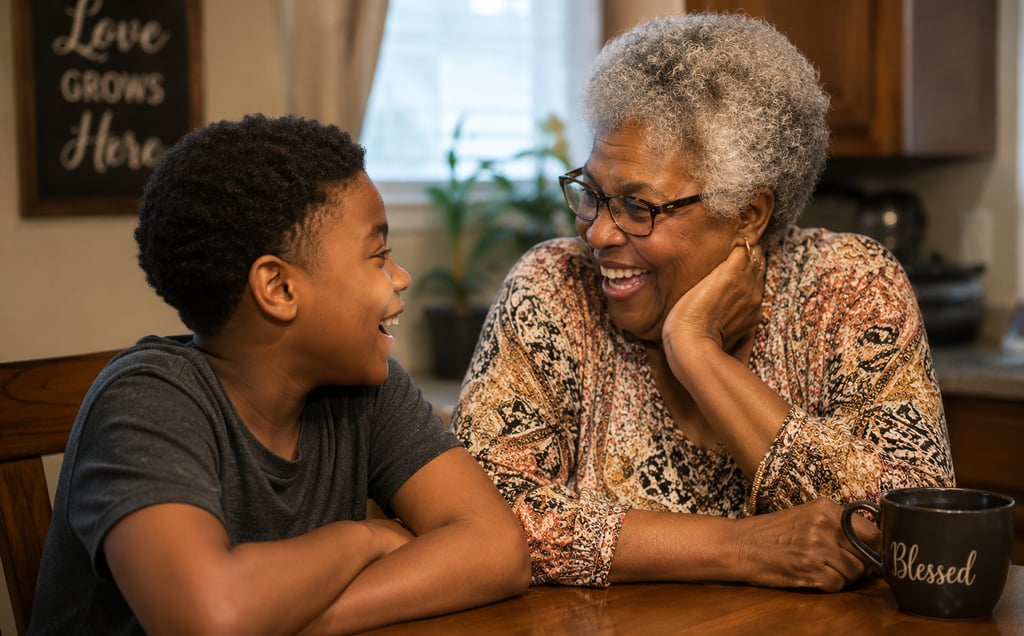
When I was in first grade, I learned that not every word used at home should be used at school.
I was living with my grandmother, and she was a lively, plain-spoken woman. She did not dress up her words. So when I needed to use the restroom at school, I repeated the same words I had heard at home.
My teacher’s face said it all.
I was confused because I did not know I had done anything wrong. I was not trying to be rude. I was simply speaking the way I had been taught.
Many children experience this same confusion. They hear one kind of language at home, another at school, another at church, and another when they are with friends. They are learning how to live in different worlds.
As parents, we can help them understand that communication is not just about words. It is about wisdom.
Paul said, “I am made all things to all men, that I might by all means save some.” 1 Corinthians 9:22. Paul knew how to connect with different people without losing his identity.
That is a skill our children need.
We can teach them, “There is nothing wrong with where you come from, but every place has expectations.” We can help them understand when to be casual, when to be respectful, when to listen, and when to choose their words carefully.
This is not teaching children to be fake. It is teaching them to be prepared.
A resilient child can walk into the classroom, the church, the workplace, and the world with confidence because they know who they are and how to speak with wisdom.